7 Tips On How To Make Your Car More Fuel Efficient
7 Tips On How To Make Your Car More Fuel Efficient
Are you tired of frequent trips to the gas station draining your wallet? We'll share seven practical tips to help you improve your car's fuel efficiency and save money on fuel costs. From simple maintenance tasks to driving habits, these tips will benefit your wallet and contribute to a greener environment.
1. Keep Your Vehicle Well-Maintained
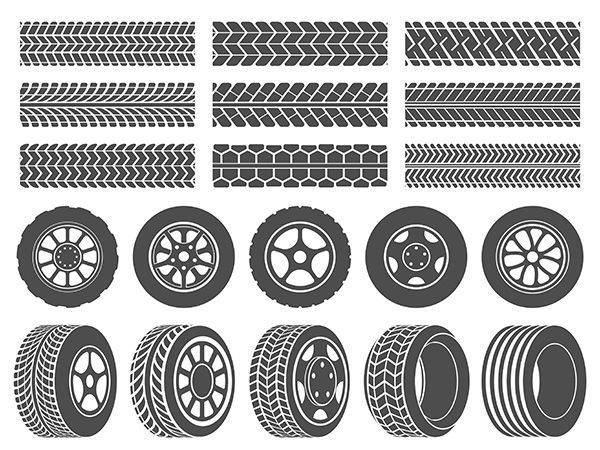
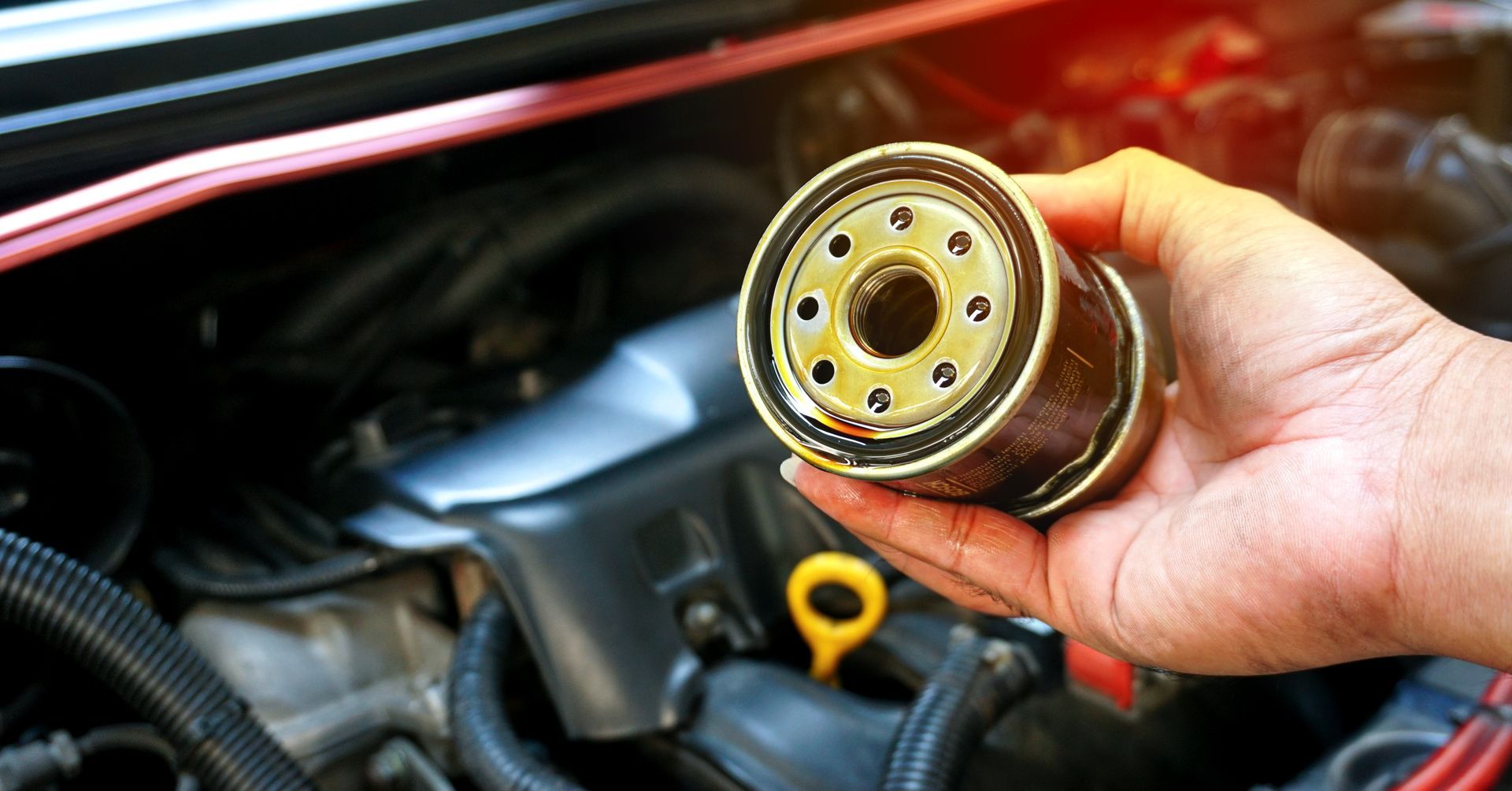
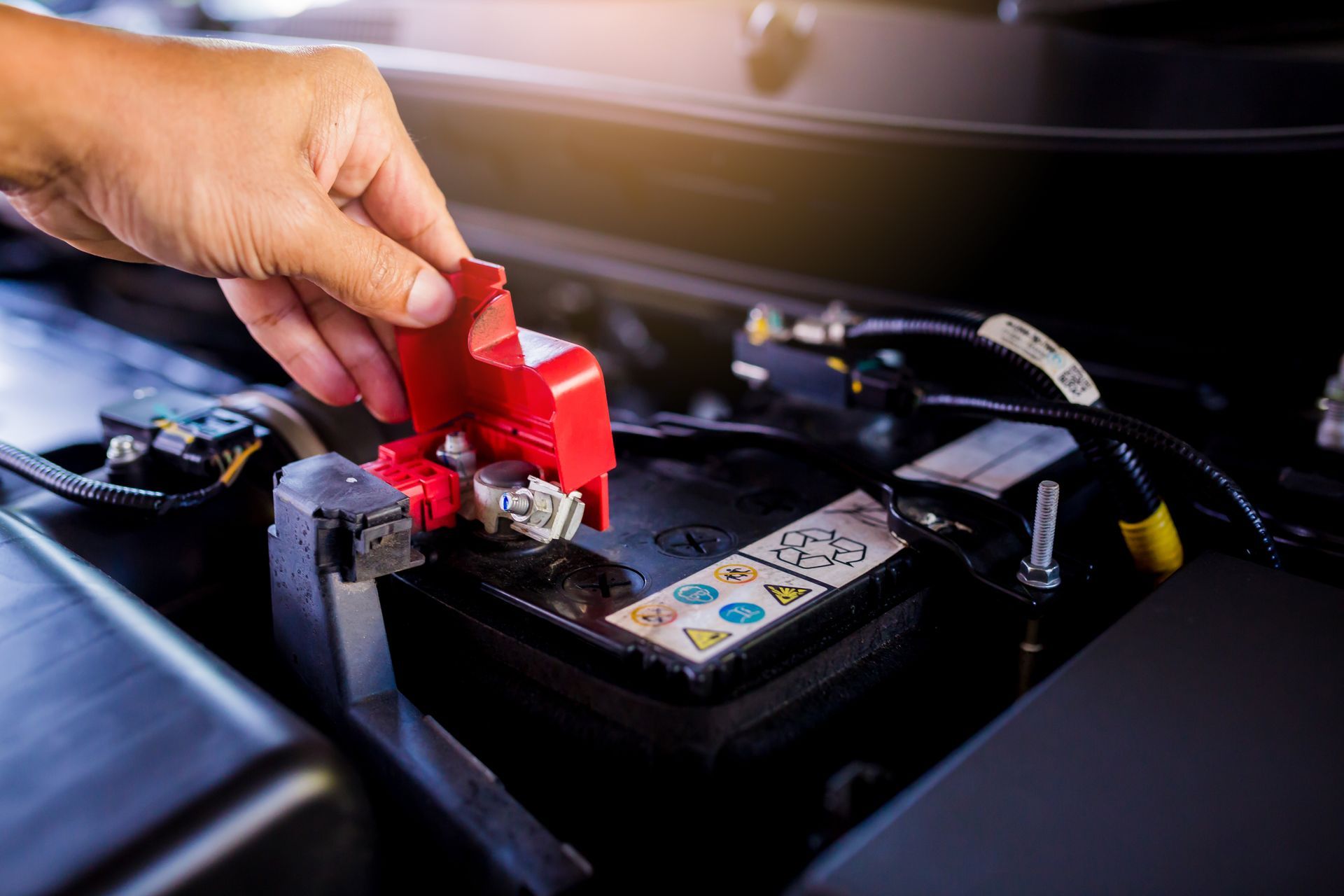
Regular maintenance is key to ensuring your car operates efficiently. Schedule routine oil changes, replace air filters as needed, and keep your tires properly inflated. A well-maintained vehicle runs more smoothly and requires less fuel to operate.
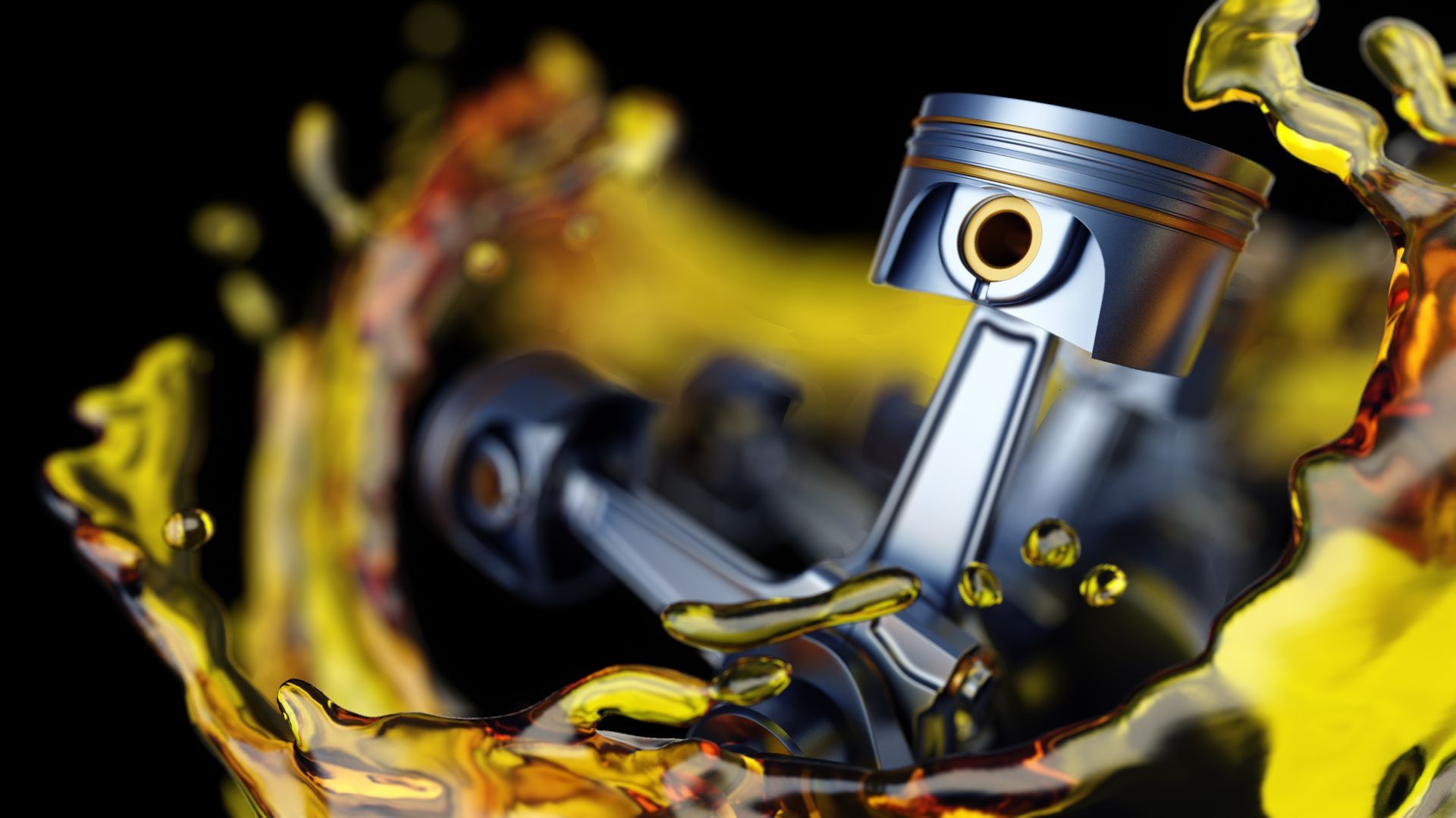
Taking care of your car's engine with regular oil changes ensures it remains lubricated, reducing friction and improving overall efficiency. Similarly, clean air filters enable proper airflow, allowing the engine to function optimally and burn fuel more efficiently. Maintaining proper tire pressure reduces rolling resistance, enhancing fuel economy and prolonging tire life.
2. Drive Smoothly and Avoid Aggressive Driving
Aggressive driving habits such as speeding, rapid acceleration, and sudden braking can significantly decrease fuel efficiency. Instead, practice smooth and gradual acceleration, maintain a steady speed, and anticipate traffic flow to reduce the strain on your engine and improve fuel economy.
When driving, consider the impact of your actions on fuel consumption. Avoiding sudden accelerations and harsh braking not only conserves fuel but also promotes safer driving habits. By adopting a more relaxed driving style, you can minimize fuel wastage and extend the lifespan of your vehicle's components.
3. Plan Your Routes Wisely
Avoid unnecessary idling and plan your routes to minimize distance and time spent in traffic. Use navigation apps to find the most efficient routes and avoid congested areas whenever possible. By optimizing your driving routes, you can reduce fuel consumption and save valuable time.
Planning your routes ahead of time allows you to avoid traffic congestion and stop-and-go driving, which can increase fuel consumption. Utilize navigation apps to identify alternative routes with less traffic and shorter distances, maximizing fuel efficiency and reducing travel time. Additionally, consider combining errands into a single trip to minimize unnecessary mileage and fuel usage.
4. Lighten Your Load
Carrying excess weight in your vehicle can increase fuel consumption. Remove unnecessary items from your trunk and roof rack to reduce aerodynamic drag and improve fuel efficiency. Traveling lighter not only saves fuel but also enhances your car's performance.
Reducing your vehicle's weight by removing unnecessary items can noticeably impact fuel economy, especially during city driving and stop-and-go traffic. Clearing out clutter from your trunk and removing roof racks when not in use minimizes aerodynamic drag, allowing your car to move more efficiently through the air. Lightening your load can maximize fuel efficiency and reduce your carbon footprint.
5. Use Cruise Control on Highways
Maintaining a consistent speed on the highway can improve fuel efficiency. Utilize cruise control whenever appropriate to help you maintain a steady speed and reduce unnecessary fuel consumption caused by fluctuations in speed.
Engaging cruise control on long stretches of highway driving helps maintain a constant speed, preventing unnecessary acceleration and deceleration that can lead to increased fuel consumption. By keeping your vehicle's speed consistent, cruise control optimizes fuel efficiency and reduces driver fatigue during extended trips. However, cruise control should be used cautiously in hilly or winding terrain, as it may not be as efficient in these conditions.
6. Keep Your Engine Properly Tuned
A well-tuned engine operates more efficiently and consumes less fuel. Schedule regular tune-ups and engine inspections to ensure all components are functioning optimally. Addressing any issues promptly can prevent fuel wastage and maintain peak performance.
Regular engine tune-ups and inspections are important for identifying and addressing fuel efficiency issues. During a tune-up, a qualified mechanic will check and adjust various engine components, including the ignition system, fuel injectors, and emission control system. By keeping your engine properly tuned, you can optimize fuel combustion, reduce emissions, and prolong the life of your vehicle.
7. Consider Alternative Transportation Options
Consider alternative transportation options such as walking, biking, or carpooling for short trips or daily commutes. Reducing driving frequency alone can minimize fuel consumption and contribute to a more sustainable lifestyle.
Exploring alternative transportation options reduces fuel usage and promotes healthier and more environmentally friendly commuting habits. Walking or biking for short trips not only saves fuel but also provides health benefits and reduces traffic congestion. Similarly, carpooling with coworkers or neighbors helps minimize the number of vehicles on the road, leading to fewer emissions and less fuel consumption overall.
Maximize your miles and minimize your fuel costs with Aegis Auto Services. Book an appointment today and let our team of professionals ensure your car is running efficiently and saving you money on every drive.